What Should I Wear On A Seattle Boat Tour?
A practical packing and clothing guide for Seattle boat tours, grounded in the city's real weather pattern: wind on the water, layered temperatures, and occasional rain even in summer.
What Should I Wear On A Seattle Boat Tour?
Dress in layers, always, and plan for air that is noticeably colder on the water than on the dock. Seattle's summer afternoons average around 67°F, but wind on Elliott Bay or Puget Sound can drop the felt temperature by ten degrees or more, and rain shows up even in July. A base layer, a warm mid-layer, a windproof shell, and closed-toe shoes cover roughly every trip on this roster.
That is the short version. The longer version depends on when you sail, which tour you pick, and how long you are out there. A one-hour harbor cruise from Pier 55 in July is a different clothing problem than a five-hour whale watching run down Puget Sound in October, and both differ from a sunset sail where the temperature falls steadily from boarding to docking.
The good news is that Seattle's weather is predictable in its unpredictability. The city sits at the northern edge of the contiguous United States, its summer days are long, and its marine air keeps temperatures in a narrow, moderate band almost all year. The Seattle Boat Tours roster spans one-hour harbor cruises to ten-hour expedition days, and the clothing advice below scales to each of them.
Before the season-by-season breakdown, here are three tours that show the range of exposure you might be dressing for:
The whale watching cruise is the longest at 3 to 5 hours, from $150 per person, with a 4.5 rating from 653 reviews. The sunset sail runs 2 hours from $65 and carries a 4.8 from 723 reviews. The harbor cruise is the shortest commitment at 1 hour, from $45.7, rated 4.7 from 2252 reviews. Each one rewards a slightly different packing list, and the rest of this article builds those lists.
Why The Water Feels Colder Than The Seattle Waterfront
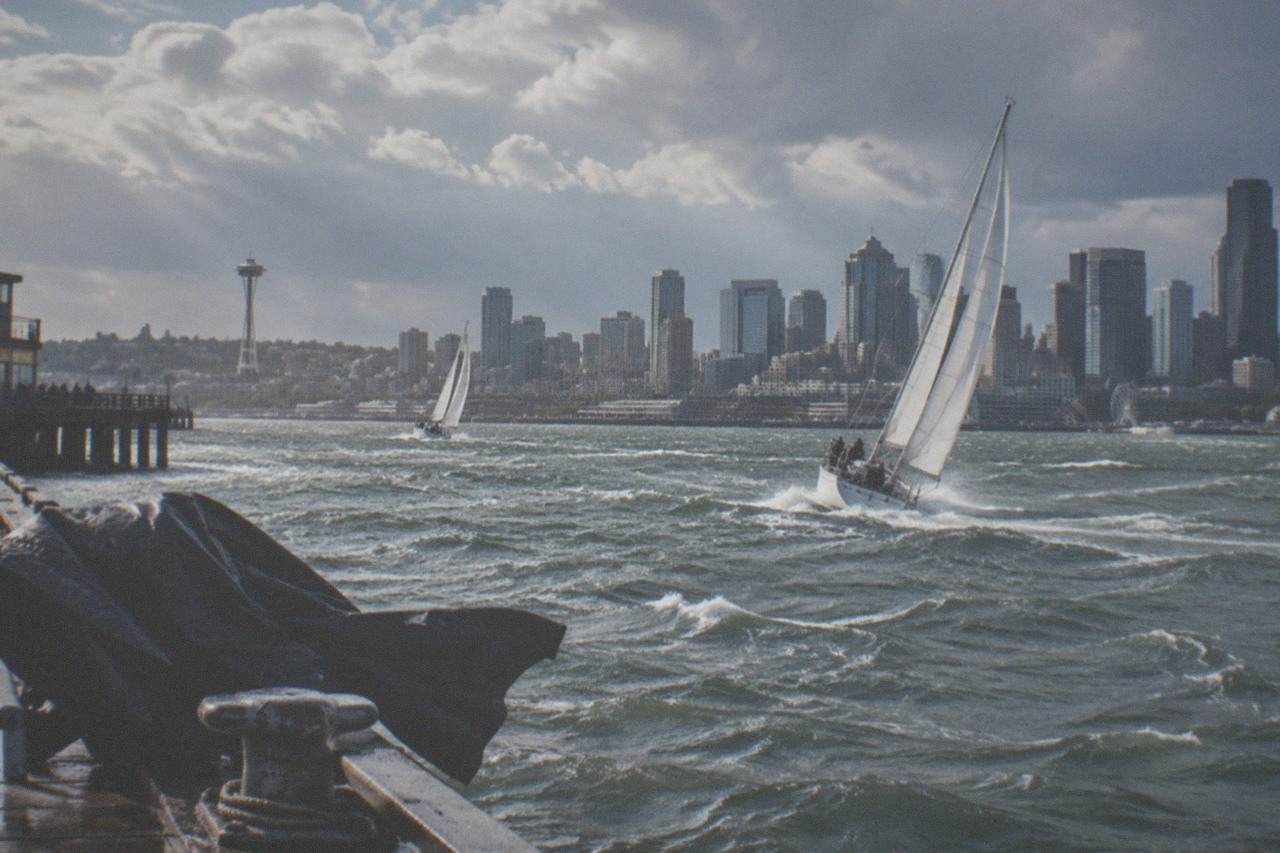
Wind chill on open water is the single most underestimated factor in Seattle tour clothing. Even on a 70°F day, a boat moving at cruising speed creates its own breeze, and Puget Sound adds wind of its own. Marine air also holds moisture, which pulls heat out of exposed skin faster than dry air. Guests routinely board in t-shirts and spend the trip inside the cabin, wishing they had a jacket.
The physics is simple. Water temperature in Puget Sound lags the air temperature by months, so even in August the water below the hull may be in the 50s Fahrenheit. That cool surface cools the air directly above it, and the boat drags that air past you as it moves. Add the reflectivity of the water and you get a microclimate a full clothing layer colder than the dock you left.
This is why the layering system matters more than any single garment. A fleece or sweater under a windproof shell traps warm air and blocks the moving breeze, and you can shed the shell the moment the boat stops or the sun comes out. The reverse also holds: when the boat turns into the wind on the way home, you can put everything back on in thirty seconds.
One more Seattle-specific note: the sun itself is stronger than visitors expect. At Seattle's latitude, summer daylight runs long, and glare off the water doubles your UV exposure. Sunglasses and sunscreen belong on the packing list even on overcast days, because the marine layer that hides the sun does not block the ultraviolet light that causes sunburn.
Wondering whether your schedule gives you enough daylight for a given tour? The seasonal guide to Seattle boat tour timing covers month-by-month schedules, and it pairs well with the clothing advice below.
If a long wildlife cruise is on your shortlist, the clothing stakes are highest on that one, so it is worth locking a date early. The listing carries free cancellation and a "Likely to sell out" flag, which on a 3 to 5 hour trip is worth taking seriously.
What To Wear By Season On Puget Sound
Summer (June to August) calls for a light layer plus a windbreaker, with long pants for evening trips. Spring and fall (April, May, September, October) need a warm mid-layer and a waterproof shell. Winter sailings, where offered, demand full cold-weather gear: insulated jacket, hat, gloves, and waterproof boots. Seattle's monthly average highs range from about 48°F in January to about 76°F in July and August.
The table below pulls together the seasonal pattern. The temperature figures are long-term daily averages from the standard 1991 to 2020 climate normals for Seattle, which you can review in the full climate record for the city, and the clothing column translates each band into a packing decision.
| Season | Typical average high | Typical average low | Rain pattern | What to pack |
|---|---|---|---|---|
| Winter (Dec to Feb) | 48°F | 37°F | Frequent, often heavy | Insulated coat, hat, gloves, waterproof boots, warm socks |
| Spring (Mar to May) | 51 to 65°F | 39 to 47°F | Showers tapering by May | Warm mid-layer, waterproof shell, long pants |
| Summer (Jun to Aug) | 67 to 76°F | 51 to 56°F | Light and occasional | T-shirt plus fleece or hoodie, windbreaker, sunglasses |
| Fall (Sep to Nov) | 65 to 53°F | 47 to 40°F | Ramping up in October | Fleece, rain shell, long pants, hat for wind |
Two details in that table deserve emphasis. First, the summer lows: even in August, Seattle nights dip into the mid-50s, so a sunset sail that boards at 7 p.m. starts in one climate and ends in another. Second, the spring column: March is wetter than visitors assume, with historical March rainfall averaging over 4 inches, while May is one of the driest and most pleasant months of the entire year.
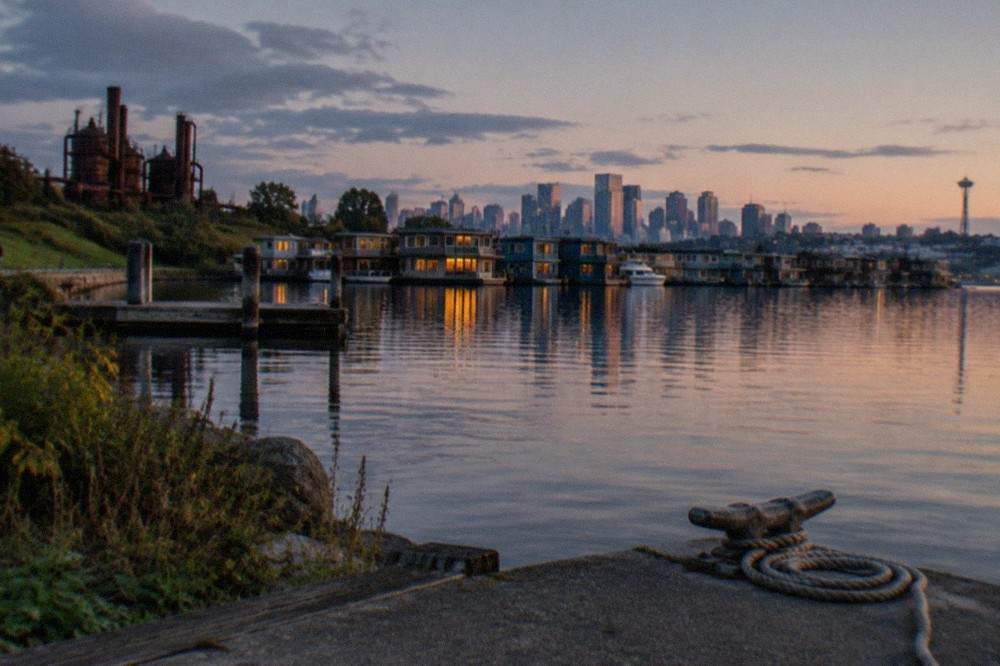
Daylight matters as much as temperature when you are choosing what time of day to sail and what to bring. Seattle's June days stretch past 16 hours of daylight, with sunsets near 9 p.m., while December days shrink to about 8.5 hours with sunsets around 4:20 p.m. The published sunset tables for Seattle show the full curve, and the practical takeaway is simple: evening tours in midsummer are golden and warm at boarding but cool by return, while evening tours after October barely exist, which is why so many operators wind down their public schedules in November.
The seasonal schedule point is worth a sentence more: the Port of Seattle's cruise season, documented by the port itself, brackets the same April-to-October window that most tour operators treat as their high season. Outside that window, options thin out, and the ones that run are colder than the calendar suggests.
Footwear And Deck Rules For Seattle Cruise Boats
Closed-toe, flat, grippy shoes are the right call on nearly every Seattle boat tour. Decks are frequently damp, and wet fiberglass or teak is slick. Flip-flops are a poor choice on any moving vessel, and anything with a hard heel can mark or damage wooden decks, which some operators ask guests to remove. Sneakers, deck shoes, or waterproof boots cover every season.
The footwear question comes up more than any other clothing question, and the answer is almost always "flatter and grippier than you were planning." A tour boat pitches gently even in calm water, and the moment you need to move quickly to a rail for a whale sighting or a photo, you want shoes that hold.
Rain boots or waterproof hiking boots earn their spot from October through April, when Seattle's rainfall ramps toward its winter peak. Historical normals put November and December rainfall near or above 5 inches each, and puddled docks are part of the boarding experience. In summer, any comfortable sneaker works, though white soles stay cleaner than dark ones on some boat decks.
One practical note for the whale watching trips specifically: those cruises run 3 to 5 hours, and guests spend much of that time standing at the rail or moving between viewing positions. Comfortable shoes matter more there than on a one-hour harbor loop where you can stay seated the whole time.
Rain Gear, Sun Gear, And What To Skip
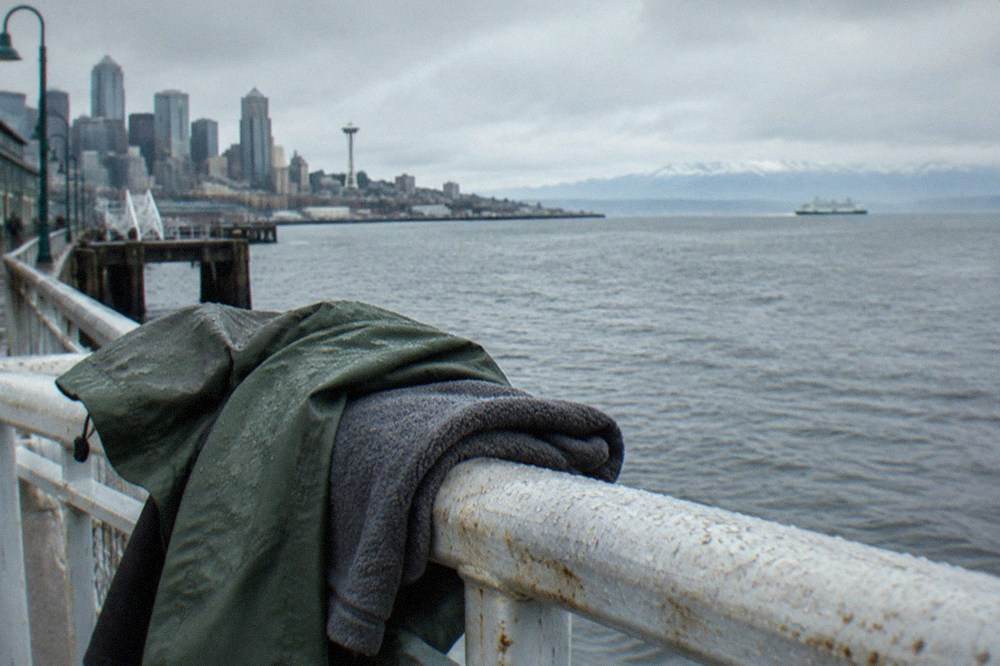
Bring a packable rain jacket in every season, even July and August, when light rain still falls. Skip umbrellas, which do not survive wind on a moving boat, and skip cotton as your only warm layer, since damp cotton stops insulating. Add sunglasses, sunscreen, and a brimmed hat in summer, when glare off Puget Sound doubles sun exposure.
The rain jacket point surprises people who picture Seattle as either bone-dry in summer or soaking in winter. The truth is in between: summer rain is light and occasional, but it happens, and a shell that packs into its own pocket costs nothing to carry. In the wetter months, that same shell becomes the difference between a good trip and a miserable one.
What to skip matters as much as what to bring. Umbrellas fail on the water because the wind that comes with rain on Puget Sound inverts them in seconds. Cotton hoodies feel warm on the dock but lose their insulation when the marine air dampens them, which is why fleece or wool, materials that keep warming when damp, are the better mid-layer. And heavy ski parkas are overkill on a one-hour cruise in July; you will spend the trip unzipping.
The sun gear half of the equation is the one visitors most often miss. Seattle's summer sun is deceptively strong, and on the water you get direct sun plus reflection off the surface. A brimmed hat also does double duty as wind protection on whale watching cruises, where the boat cruises at speed toward sighting areas.
If you are also wondering what food and drink rules apply, since many of these tours are BYOB or serve snacks, the guide to bringing food on a Seattle boat cruise covers that separately, and it changes what you carry on board.
How To Dress For A Whale Watching Day From Seattle
Dress for a half-day hike in the same month, then add one layer. The Seattle wildlife and whale watching cruise runs 3 to 5 hours on open water, up to five hours of exposure, from $150 per person. Even in August, that is 3 to 5 hours of wind, spray, and standing at a rail, so warm socks, a real jacket, and a hat belong on the list regardless of the forecast.
The duration is the whole story here. On a one-hour cruise you can absorb a cold hour; on a five-hour run you cannot. The wildlife cruise departs from 2701 Alaskan Way on the waterfront, and by the time the boat is an hour down Puget Sound, the shoreline is distant, the wind is constant, and there is nowhere warmer to be than what you wore.
Gloves matter more than people expect, even in September and early October, which sit inside the tail of the season. Holding a camera or gripping a rail in moving air chills hands fast. A light pair liner gloves take no space in a pocket. Binoculars, if you own them, are worth the same pocket space, though the boats carry spotting scopes and the crew does the finding.
The listing carries free cancellation and a "Likely to sell out" flag, and the rating stands at 4.5 from 653 reviews. For clothing purposes, treat it like a fall hike: long pants, closed shoes, fleece, shell, hat, gloves, and sunscreen for the glare.
If that packing list sounds like your kind of day, the wildlife and whale watching cruise is the trip it was written for, and checking availability a few days ahead is wise given the sell-out flag on the listing.
Sunset Sail And Evening Cruise Clothing On Elliott Bay
Evening trips need one more layer than daytime trips on the same date. Seattle sunset sails run about 2 hours, and the temperature falls through the trip: a July evening that feels warm at boarding is in the upper 50s by the time the boat docks. The Evening Colors Sunset Sail Tour in Seattle, from $65 and rated 4.8 from 723 reviews, boards at 2201 Alaskan Way and delivers exactly that arc.
The arithmetic is straightforward. Seattle's summer sunsets fall near 9 p.m. in late June, and the hour before sunset is the coolest part of the evening to that point. A sail that boards at 7 p.m. catches the golden hour, then the post-sunset chill, then docking in full dusk. Three microclimates in two hours, all solved by one extra fleece.
The same logic applies to the other evening options on the roster. The tall sailboat sunset harbor cruise from Pier 66 runs from $80 per person with a 4.8 rating from 255 reviews, and the downtown scenic sunset sailing cruise from Pier 56 runs from $71 per person, rated 4.8 from 167 reviews. Both carry a "Likely to sell out" flag, and both reward the same packing decision: bring the layer you think you will not need.
BYOB tours, including several of the sailing options on this roster, add one more clothing consideration, which is simply having a hand free or a small bag that keeps its contents upright. A crossbody bag or a small backpack works better than a clutch on a boat with a rail and a moving deck.
For a first sunset sail, the Evening Colors tour is the natural pick, and the free cancellation on the listing makes it easy to lock a date while you are still assembling the rest of your Seattle plans.
A Packing Checklist For Every Seattle Boat Tour
For any tour on this roster, in any month, pack a base layer, a warm mid-layer, a windproof and preferably waterproof shell, closed-toe shoes, sunglasses, and sunscreen. Add gloves and a warm hat from October through April, rain boots in the wet months, and binoculars on wildlife trips. That single list covers the one-hour harbor cruise and the five-hour whale day alike.
The table below compresses the whole article into one packing reference, organized by what kind of trip you booked rather than by month, since tour length drives clothing decisions as much as weather does.
| Trip type | Duration | Extra items beyond the base list | Notes |
|---|---|---|---|
| One-hour harbor cruise | 1 hour | Nothing essential; a light jacket suffices in summer | Cabins and covered seating are usually available |
| Locks cruise | About 2 hours | Hat for sun, light rain shell in spring and fall | Transit through the locks involves some waiting |
| Sunset or happy hour sail | 1.5 to 2 hours | One extra warm layer, gloves in shoulder months | Temperature falls steadily through the trip |
| Whale watching cruise | 3 to 5 hours | Warm hat, gloves, binoculars, motion-sickness remedy | Longest exposure on the roster; dress for a hike |
| Private charter on Lake Union | 1 to 2 hours | Whatever your group wants; BYOB bags and warm layers | Smaller boats expose you to more wind |
| Dinner cruise | 2.5 hours | Smart-casual clothes, light layer for the outer deck | Dining is indoors; decks are for viewing |
A note on the dinner cruise row: the Seattle dinner cruise experience departs Dock 9 and runs 2.5 hours from $143 per person, and its dress code question is really two questions, one for the dining salon and one for the outdoor deck. Smart-casual is the safe register inside, and a light jacket answers the deck.
Motion sickness belongs in this conversation too, not as clothing but as packing. If you are prone to it, a remedy taken before boarding beats one taken after the boat is underway, and this matters most on the long wildlife trips where the boat crosses open water. Dry crackers and a ginger drink take no space at all.
Whatever month you choose, the layering rule survives contact with every tour on this roster, and these three picks are a good place to see how differently the same city dresses its water:
Common Questions About What To Wear On The Water
What Should I Wear On A Seattle Boat Tour?
Layers: a base layer, a warm mid-layer such as fleece, and a windproof shell, with closed-toe shoes. Add a hat and gloves outside of summer, sunglasses and sunscreen in every season, and a packable rain jacket even in July. The longer the tour, the more seriously to take the mid-layer, since wind on Puget Sound cools the air well below dock temperature.
Do I Need A Winter Coat For A Seattle Boat Tour?
Only between November and March, when average highs sit near 48°F and rain is frequent. In those months an insulated, waterproof jacket, a warm hat, and gloves are genuinely needed. From April through October, a fleece plus a rain shell is usually enough, though the shell should be genuinely waterproof rather than water-resistant for spring and fall trips.
Can I Wear Sandals Or Flip-Flops On A Seattle Boat Tour?
They are a poor choice. Tour boat decks are often damp and slick, and flip-flops offer no grip and no protection on a moving vessel. Sneakers, deck shoes, or waterproof boots work in every season. If a tour involves walking docks or boarding across a wet gap, which most do, closed-toe shoes are the safer call for the whole family.
Is A Sunset Sail In Seattle Cold?
Usually colder than expected. Summer evenings in Seattle drop into the 50s, and the temperature keeps falling through a 2-hour sail, so the trip that boards in warm golden-hour air docks in a distinctly cool one. Bring one more layer than the afternoon temperature suggests, and add gloves for sunset sails in April, May, September, and October.
Should I Bring An Umbrella On A Seattle Boat Cruise?
No. Wind on the water inverts umbrellas almost immediately, and they occupy a hand you will want for rails, photos, and binoculars. A hooded rain jacket does the same job better on a boat. This is one of the few pieces of Seattle tourist advice that holds in every season and on every tour type on this roster.
What Should Kids Wear On A Seattle Boat Tour?
The same layering system as adults, sized down: a warm layer, a windproof shell, closed-toe shoes, and a hat. Kids feel wind chill at the rail the same way adults do, and they are the most likely to want the outdoor deck the whole trip. Bring a spare layer for children on any tour longer than an hour, especially the wildlife cruises.