Best Time For A Boat Tour In Seattle: A Season-By-Season Guide
The quality of a Seattle boat tour depends less on luck than on timing: daylight sets your sunset hour, season windows set your whale odds, and the calendar decides which tours are running at all. Here is how the year breaks down.
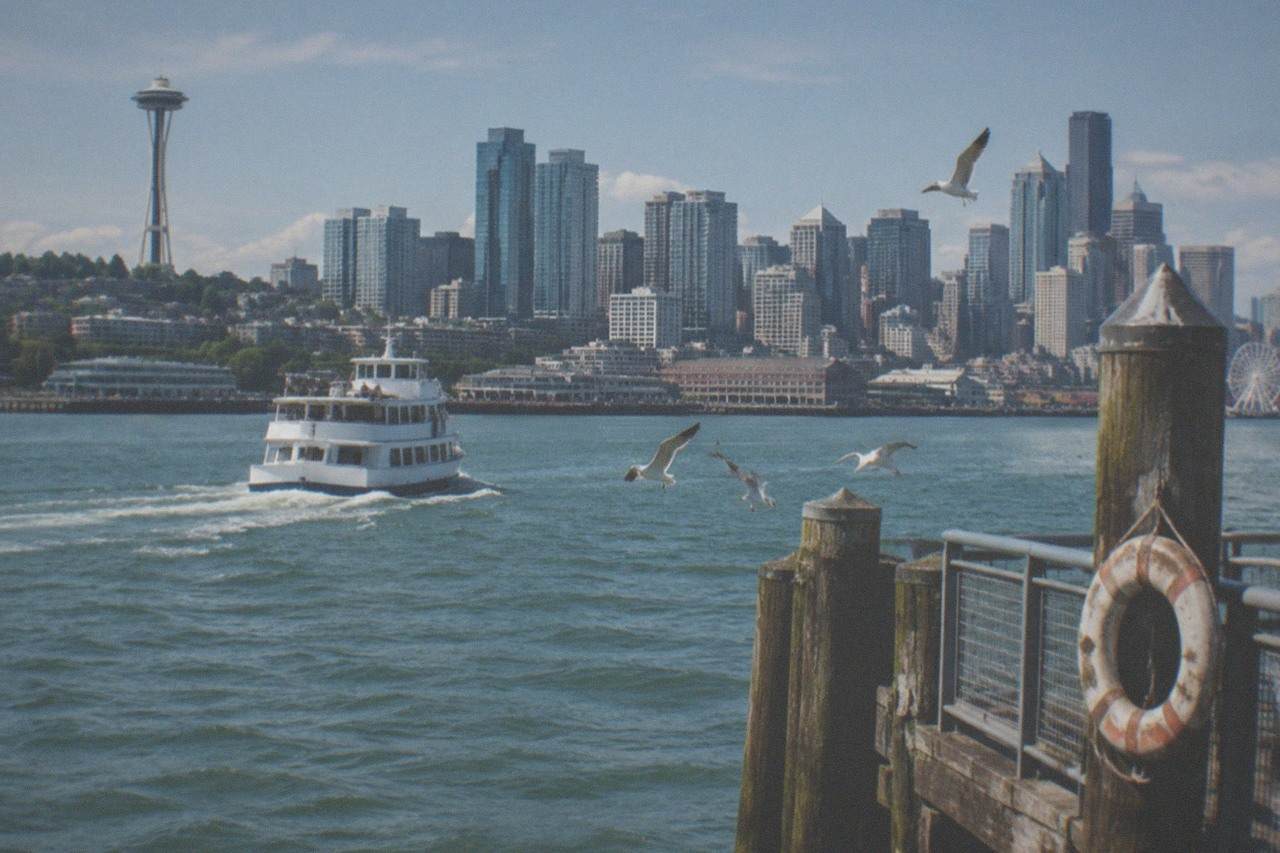
Short answer
The best time for a Seattle boat tour is May through September, when daylight runs long, rainfall is low, and every tour format is operating. Whale watching peaks April through October for orcas, May through October for humpbacks. Many operators reduce or suspend public sailings November through March, so winter visitors should book the formats that keep running.
Seattle sits at a latitude where the seasonal swing is dramatic: the city gets roughly 483 hours of daylight in July and about 264 in December, a difference that shapes everything on the water. The same harbor that hosts near-10 p.m. summer sunsets goes quiet by late afternoon in winter, and the tour fleet follows the light. This guide walks through the year month by month, matching Seattle's daylight and weather patterns against whale season windows and the sightseeing calendar so you can pick the window that fits what you actually want from a boat.
The short version: May through September is the prime stretch, with long evenings, low rainfall, and the full range of tours running daily. April and October are respectable shoulder months with fewer crowds. November through March is when many operators reduce or suspend regular public sailings, though a handful of formats keep going, and whale watchers have one genuine winter prize in the gray whales that detour into Puget Sound from February through May.
What Season Gives You The Best Conditions On The Water?
The best overall window is May through September, when Seattle combines its longest daylight, its driest months, and its fullest tour schedules. July rainfall averages just 0.60 inches against a January normal of 5.78, and July delivers about 483 hours of daylight against December's 264. Every tour format on the roster, from harbor cruises to whale watching, operates in this stretch.
That combination matters more than any single factor. A sunset sail in June departs near 9 p.m. and finishes in lingering twilight, while the same trip in December would mean darkness before boarding. A whale-watching cruise in August overlaps the strongest season windows for three species at once. And comfort on deck is a real consideration: summer highs average in the upper 60s Fahrenheit, which is pleasant on the water even when the breeze picks up, while winter means average highs in the mid 40s and a much wetter deck.
The trade-off for the summer peak is demand. Seattle's Alaska cruise season brought 330 vessel calls and roughly 2.1 million revenue passengers through its terminals in 2026, per the Port of Seattle, and that crowd shares the waterfront with tour passengers. If you want the same conditions with fewer people, aim for May or late September: the light is still generous, the weather is often fine, and the boats are less full.
How Do Daylight And Weather Change Month By Month In Seattle?
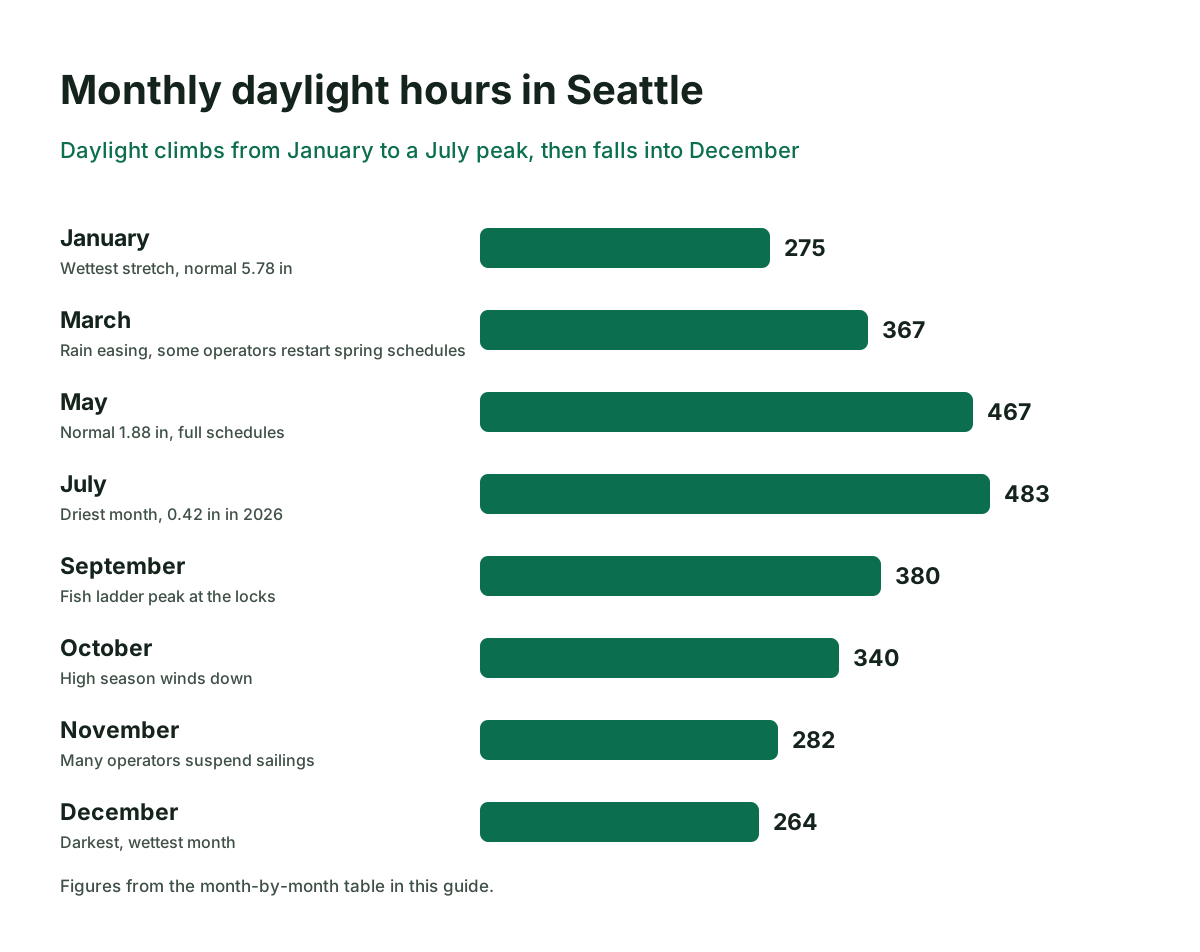
Daylight climbs from about 275 hours in January to a peak of roughly 483 hours in July, then falls back to 264 by December. Rainfall follows the opposite arc, from a 5.78-inch January normal down to 0.42 inches measured in July 2026. The practical tour season, April through October, captures nearly all of the light and almost none of the wet.
The table below pulls together the numbers that matter for planning: total monthly daylight, typical rainfall, and what the month means for tours. The rainfall figures mix 2026 observed totals with long-term normals, and either way the pattern holds, the dry half of the year is exactly the half when the tour fleet is out.
| Month | Daylight (hours) | Rainfall pattern | What it means for tours |
|---|---|---|---|
| January | 275 | Wettest stretch, normal 5.78 in | Very limited public sailings |
| February | 285 | Still wet, gray whales arrive | Gray whale tours possible |
| March | 367 | Rain easing | Some operators restart spring schedules |
| April | 406 | Normal 3.18 in, drying out | High season begins, orcas more reliable |
| May | 467 | Normal 1.88 in | Full schedules, humpbacks arriving |
| June | 477 | Near-peak daylight | Latest sunsets of the year |
| July | 483 | Driest month, 0.42 in in 2026 | Peak season on every route |
| August | 444 | Dry, warmest water | Strongest combined whale windows |
| September | 380 | Rain returning slowly | Shoulder gem, fish ladder peak at locks |
| October | 340 | First real autumn storms | High season winds down |
| November | 282 | Wet, dark early | Many operators suspend sailings |
| December | 264 | Darkest, wettest | Very few public cruise options |
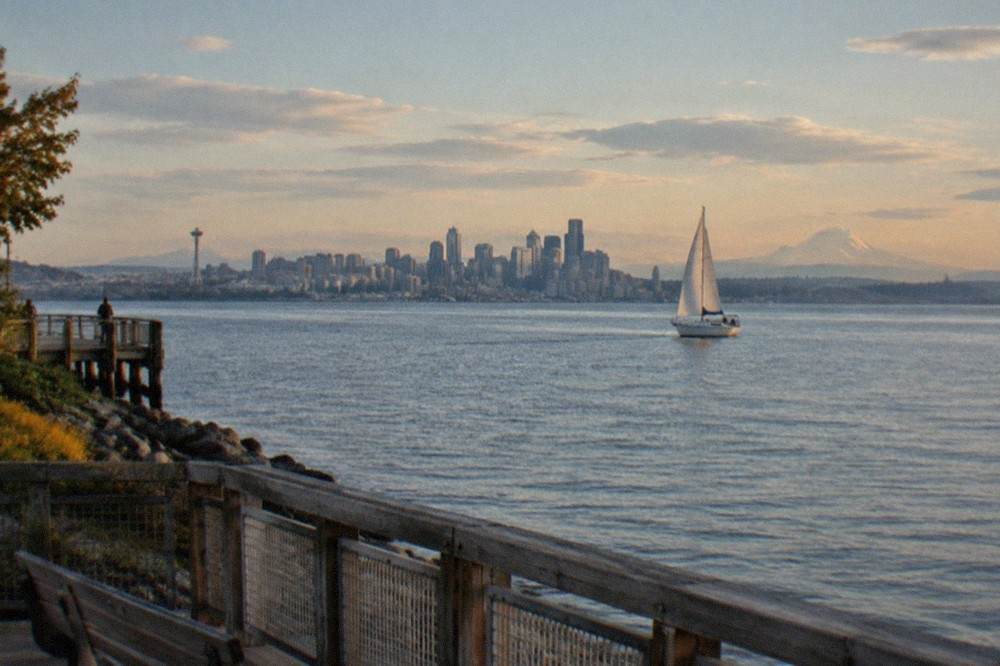
Two months deserve a special mention. June gives Seattle its longest days, with sunsets sliding toward 9 p.m. and daylight past 9:30, which makes evening sails feel almost like a different product than the same trip in April. September is the quiet overperformer: 380 hours of daylight, rainfall still modest by local standards, salmon runs peaking at the Ballard Locks fish ladder, and summer crowds gone. If a trip can flex by a few weeks, mid-September is one of the smartest times to be on the water.
Those three formats cover the season's three main reasons to be on a boat: wildlife, golden-hour scenery, and a quick narrated loop of the harbor. Operators trim winter public sailings, though this short, sheltered harbor cruise is among the likeliest to keep running, the sunset sail is a creature of the long-evening months, and the whale cruise is bound to the season windows below. Prices on the three start from $150, $65, and $45.70 per person respectively, and all three listings carry free cancellation if the weather forecast turns.
When Is Whale Watching At Its Best Around Seattle?
Orcas swim in Puget Sound year-round, but the strongest window runs April through October: Bigg's transient orcas are present in every month, Southern Residents are most reliable April/May through September/October, humpbacks May through October, and gray whales February through May. No tour guarantees a sighting, and the season windows are tendencies, not promises.
That four-way overlap is why late summer is the jackpot for whale watchers. In August you are within every window at once, with humpback numbers built up through the season, orca activity strong, and long daylight giving cruises more water to search. The provisional July 2026 census counted 76 Southern Resident killer whales, up two from the previous year's count, a small but real sign of stability in a population that every tour treats carefully.
| Species | Best window around Seattle | Notes |
|---|---|---|
| Bigg's (transient) orcas | Year-round | Steadily more common in Puget Sound |
| Southern Resident orcas | April/May to September/October | Peak mid-summer |
| Humpback whales | May to October | Numbers build through summer |
| Gray whales ("Sounders") | February to May | Detour into North Puget Sound to feed |
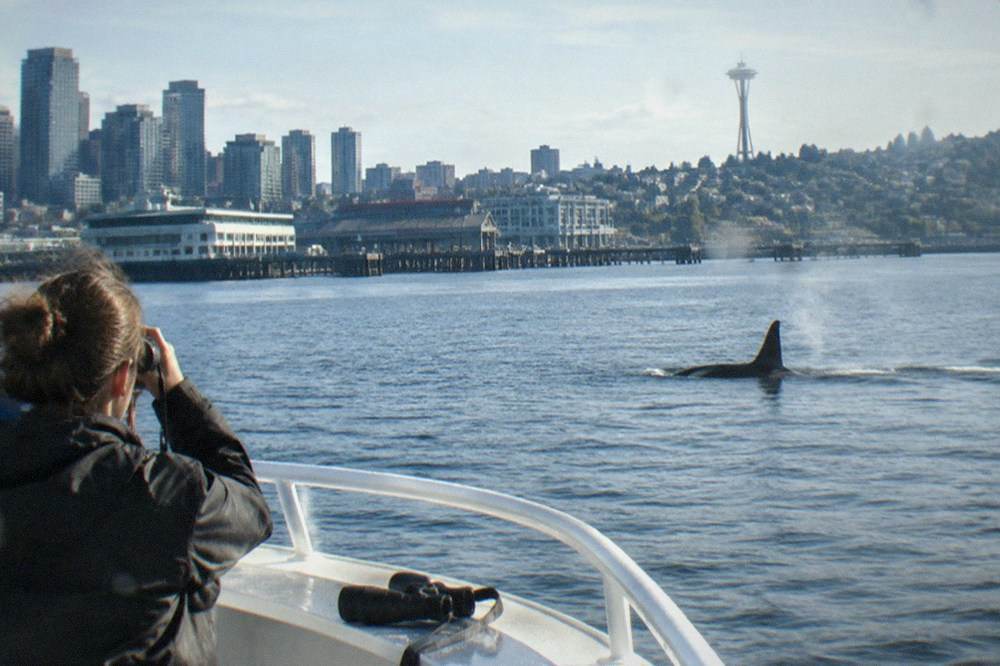
The regulations around these animals also shape the experience. Washington law requires all vessels to stay 1,000 yards from Southern Resident killer whales, travel under 7 knots within half a mile of them, and disengage engines if they surface within 400 yards; other orca ecotypes carry a 200-yard minimum. The rules are published at BeWhaleWise, and legitimate tour operators follow them, which means a sighting is often at a respectful distance through binoculars rather than a close pass. That is a fair trade for keeping the population intact.
The main dedicated option from the city is the Seattle: Wildlife and Whale Watching Cruise, a 3 to 5 hour trip from 2701 Alaskan Way run by Clipper Vacations, rated 4.5 from 653 reviews, from $150 per person, with free cancellation on the listing and a "Likely to sell out" badge. A half-day variant from the same dock runs from $154.97 and carries a 4.3 rating from 390 reviews.
If whales are the point of the trip, book this cruise for May through September and treat anything earlier or later as a bonus. Winter watchers should know the schedule reality: regional whale-watching operators shift to reduced frequency from early November into January, with some running only a few days a week and closing around the holidays. The gray whales of February to May are the one winter constant worth planning around. For a deeper dive into the species and the ethics, see the Seattle whale watching guide, and for a narrower question, which month is best for whale watching here has its own answer.
How Does Sunset Timing Shape The Sunset Cruise Season?
Sunset cruises are a daylight-dependent product, and Seattle's sunset swings from about 4:19 p.m. in December to roughly 9 p.m. in late June. That means the real sunset-sail season runs about May through September, with June and July offering golden hour at 8:30 p.m. and later. Winter sunset sailing effectively does not exist as a product.
The numbers are stark. In late June the sun sets between about 8:58 and 9:11 p.m., and the sky stays usable well past 9:30, so a 2-hour evening sail departs in full daylight and returns in twilight. By the end of September sunset has pulled back to about 6:52 p.m., still workable but a different feel. In December the sun is gone before 4:30 p.m., which is why the sunset listings on this roster go quiet outside the bright half of the year.
| Period | Approximate sunset in Seattle | Sunset sail reality |
|---|---|---|
| Late June | 8:58 to 9:11 p.m. | Peak product, latest departures |
| July | Roughly 9 p.m. early month | Peak product |
| Mid-September | About 7:06 p.m. | Still strong, earlier boarding |
| Late September | About 6:52 p.m. | Shoulder, shorter light |
| December | About 4:19 p.m. | Effectively no sunset sailings |
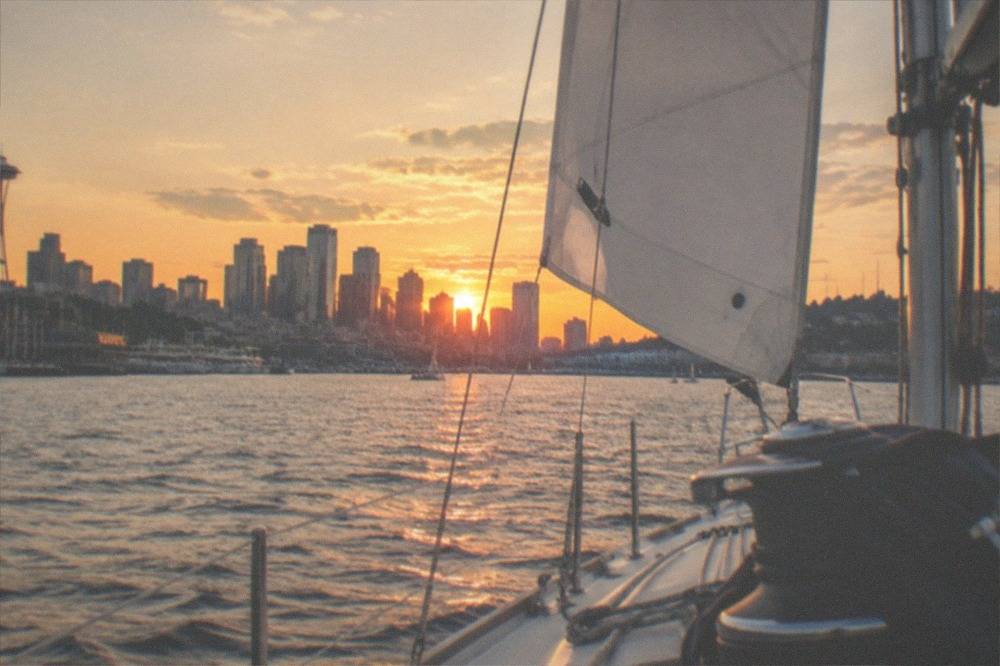
The Evening Colors Sunset Sail Tour in Seattle is the clearest example of the format: a 2-hour trip from 2201 Alaskan Way, rated 4.8 from 723 reviews, from $65, with free cancellation and a "Booked 5+ times in 12 hours" badge. A tall-sailboat variant from Pier 66 runs from $80 per person and carries a "Likely to sell out" badge, and a BYOB downtown version from Pier 56 runs from $71 per person. All of them are best booked for the months when the sunset actually cooperates.
One planning tip that first-time visitors miss: sunset times move fast in Seattle, by one to two minutes a day in spring and fall. A departure time that worked in early August is wrong by late August. Check the actual sunset for your date rather than assuming last month's schedule still applies, and if golden-hour photography is the goal, aim for a September departure, when the angle is lower and the light warmer than in high summer. The Seattle sunset cruises guide compares the evening fleet in detail.
Which Tours Actually Run Through The Winter Months?
Many Seattle operators reduce or suspend regular public sailings from November through March or April, so winter is the hardest time to be picky about format. What keeps running is mostly sheltered-water product: short harbor cruises, some Lake Union trips, and gray whale tours from February. Sailing trips and sunset sails largely disappear until spring.
The winter constraint is not just weather, it is light and demand together. A 1-hour harbor loop can fill on a dry February Saturday, but a 2-hour sunset sail cannot exist when sunset is 5 p.m. and the rain normal is over five inches for the month. Operators respond rationally: the fleet shrinks, departure times consolidate, and some listings pause entirely until the season restarts around April or May.
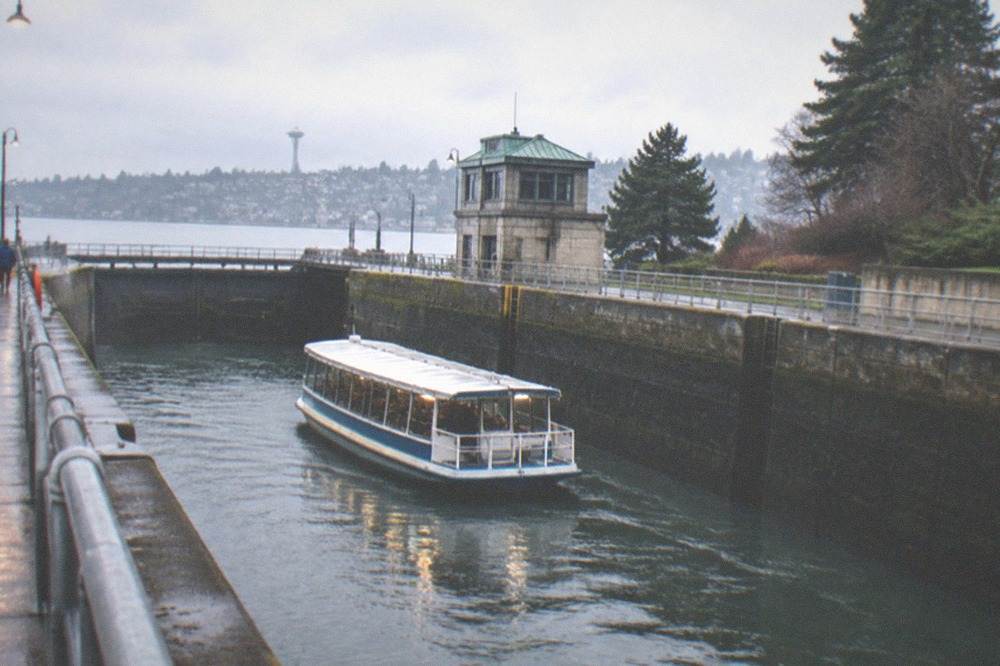
Winter visitors are not stuck on shore, though. The options that remain are genuinely good ones. The Ballard Locks themselves operate year-round, and the grounds stay open 7 a.m. to 9 p.m. daily, so a locks cruise or a land visit works in any month, though the salmon ladder is a summer-to-fall show. The 2-hour locks cruise runs from $63.28, rated 4.8 from 452 reviews, with departures from Pier 54 or the AGC Marina on Lake Union. Private charters are the other winter route: several run modified year-round schedules, and a private boat means the departure time is yours, not the season's. The private boat charters guide covers that side of the roster.
The one winter wildlife draw deserves its own sentence. Gray whales, including the local Sounders group that feeds on ghost shrimp in North Puget Sound, are most commonly seen February through May, and regional operators run dedicated gray whale departures in that window. It is the only whale product that winter genuinely improves.
How Should You Match A Tour Format To The Season?
Match the format to what the season does well: harbor cruises work year-round, locks cruises peak with the summer salmon runs, sunset sails belong to May through September, whale watching to April through October, and dinner cruises to the warm evenings when a table on the water is a pleasure rather than a shelter.
The infographic below summarizes the year as the roster actually behaves, with the high season running roughly April/May through October and the quiet months concentrated in winter.
| Tour format | Best months | Why |
|---|---|---|
| Harbor cruise | Year-round, best May to October | Short, sheltered, narrated |
| Ballard Locks cruise | May to October | Salmon ladder peak July to November |
| Sunset sail | May to September | Needs a sunset after 7 p.m. |
| Whale watching | April to October | Overlapping orca and humpback windows |
| Gray whale tour | February to May | Sounders feeding in North Puget Sound |
| Dinner cruise | May to October for pleasant evenings | Climate-controlled salons run all year |
| Private charter | Year-round, modified winter schedules | You set the departure time |
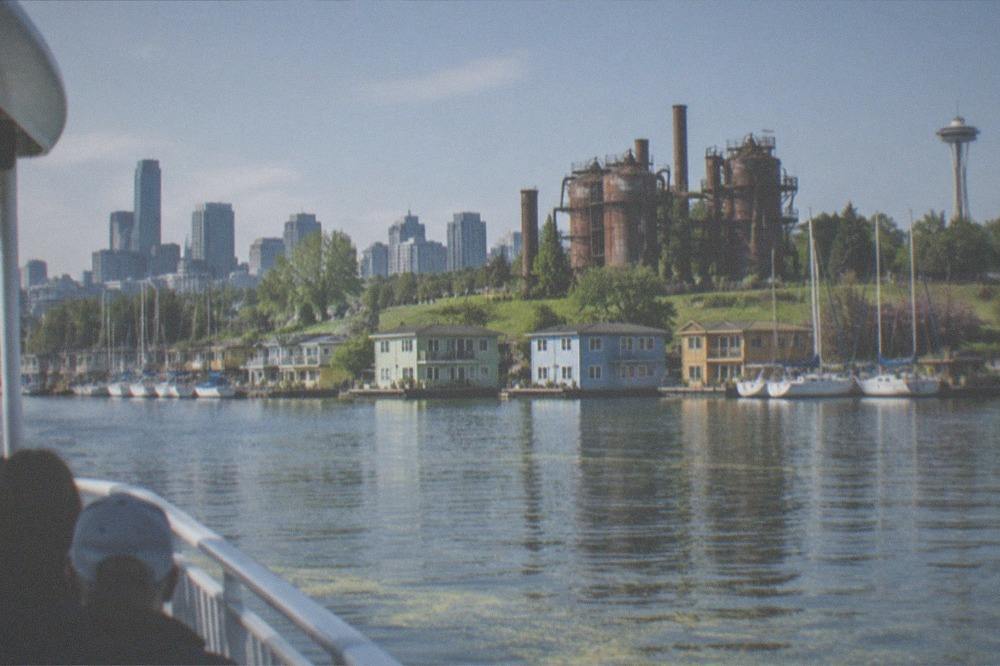
The harbor cruise is the format that answers "when should I go" with "whenever you arrive." Seattle's Original Guided Harbor Cruise runs a 1-hour narrated loop from Pier 55, rated 4.7 from 2,252 reviews, from $45.7, with free cancellation and a "5+ bookings in the past 6 hours" badge. It is the dependable baseline: short enough for kids, cheap enough for a spontaneous booking, and running when most everything else has stopped for the season.
For a fuller comparison of shared versus private formats across the seasons, the private versus shared tours guide breaks down the cost math per group size, and how much a Seattle boat tour costs covers the price ranges by format.
When Should You Book Ahead In The Busy Summer Months?
Book summer tours one to several weeks ahead, and earlier for whale watching and sunset sails in July and August, when Seattle's Alaska cruise season, its biggest visitor wave, overlaps the best weather. Peak-season departures often show limited availability, and the remaining slots cluster in exactly those peak months. Free cancellation is standard on the listings here, so booking early costs flexibility rather than money.
The summer crowd is not an abstraction. The 2026 Alaska cruise season was the Port of Seattle's busiest on record, with 16 homeported ships and roughly 2.1 million revenue passengers moving through the terminals at Pier 66 and Pier 91 between mid-April and mid-October. Those passengers are in town for a day or two before or after their sailing, and a large share of them end up on the same harbor, locks, and sunset tours as everyone else. The Washington Department of Fish and Wildlife also reminds boaters that orca protection rules apply to every vessel on the water, which is one more reason the licensed tour fleet is the sensible way to go whale watching rather than renting your own craft.
Practical booking rules fall out of this. For July and August, lock in whale watching first, since those trips are long, capacity-limited by the whale-watching rules, and the most likely to sell out. Book the sunset sail next, since evening departures are limited by the sunset itself. The short harbor cruise can often be booked a day or two out even in peak season, though the popular time slots go first. And if your dates include a weekend in September, book the locks cruise early too, because the salmon ladder peak draws its own crowd.
The last planning note is the simplest one: this site, Seattle Boat Tours, keeps the whole roster in one place, so once you have picked your month, comparing formats is a matter of scanning prices and durations side by side rather than hunting across a dozen operator sites.
Common Questions About Timing A Seattle Boat Tour
What Is The Best Month For A Boat Tour In Seattle?
July and August offer the strongest combination: the most daylight, the least rain, every tour format running, and all the major whale windows overlapping. September is the best-kept alternative, with 380 hours of daylight, modest rainfall, thinner crowds, and the salmon ladder peak at the Ballard Locks. Book summer dates ahead, especially whale watching and sunset sails.
Are Whale Tours Worth It Outside Of Summer?
It depends on the month. April through May still falls inside the reliable orca window and adds gray whales, which are most common February through May, so spring is genuinely good. November through January is the weakest stretch, with reduced tour frequency and the fewest species in the area. No tour guarantees a sighting in any month.
Do Boat Tours Run In Seattle In The Winter?
Some do, but the fleet shrinks. Many operators reduce or suspend regular public sailings from November through March or April, especially sunset sails, which need daylight that winter does not provide. Short harbor cruises, some locks cruises, private charters on modified schedules, and gray whale tours from February are the formats that keep going.
When Do Sunset Cruises Start And Finish In Seattle?
The sunset sail season runs roughly May through September, tracking the sunset itself. In late June the sun sets between about 8:58 and 9:11 p.m., so departures are late; by late September sunset is near 6:52 p.m. and the season winds down. In December the sun sets around 4:19 p.m., which is why the sunset listings pause for winter.
Is The Shoulder Season Cheaper Or Less Crowded?
Shoulder months, mainly May and late September, typically mean fewer passengers on the same tours, and some operators use May and September for shoulder pricing or adjusted hours. The weather is less reliable than July and August but often still good, and the water is far from empty. The trade-off is a real one: you accept some risk of gray days in exchange for smaller crowds.
How Far Ahead Should I Book A Summer Tour?
For July and August, book whale watching and sunset sails one to several weeks ahead, since those are the formats with real sell-out pressure in peak season. Short harbor cruises can usually be booked a day or two out. The listings on this roster carry free cancellation, so an early booking can still be changed if your plans shift.